The difference between a vendor and a partner is strategic. Across Asia’s complex technology landscape spanning Singapore’s compliance rigor, India’s scale, Vietnam’s agility, and Japan’s precision, choosing the right managed IT services provider can determine whether technology becomes your growth driver or your bottleneck.
This isn’t just an IT decision. It’s an operational, financial, and governance decision.
In this guide, we’ll show you how to choose the right managed IT services partner in Asia step by step covering evaluation criteria, service quality, local compliance, and long-term partnership alignment.
Table of Contents
Key Takeaways
- Define your goals before evaluating vendors.
- Prioritize regional expertise, local compliance, and on-site support.
- Demand measurable SLAs for uptime, response, and security.
- Validate industry experience and references in your vertical.
- Choose a partner that proactively supports your business strategy, not just your IT systems.
Further Reading
1. Define What Your Business Really Needs

Every strong partnership starts with internal clarity.
Align Technology with Business Goals
List your strategic objectives: market expansion, 24/7 uptime, regulatory compliance, or cost optimization. Your IT partner should align solutions directly with these outcomes—not just technology features.
Assess Current Infrastructure
Perform an internal audit of existing systems, licenses, and performance bottlenecks. Identify where managed IT can add measurable impact.
Decide on Support Scope
Do you need help-desk coverage only, or full infrastructure management? Determine whether you require local on-site assistance, multilingual support, or after-hours coverage.
Insight: Defining your needs upfront ensures your managed IT services agreement reflects business outcomes rather than generic service lists.
2. Evaluate Expertise, Industry Experience, and Regional Footprint
Choosing a managed IT services company in Asia requires balancing technical depth with local relevance.

Technical Expertise
Verify proficiency in:
- Cloud management (AWS, Azure, Google Cloud)
- Cybersecurity (SOC, SIEM, XDR)
- Network monitoring, endpoint management, and automation
- AI or data-driven infrastructure optimization
Industry-Specific Experience
Each industry has its own compliance and operational challenges.
Choose providers experienced in your vertical, such as:
- Managed IT services for banks and financial institutions (MAS TRM, PCI DSS)
- Managed IT services for healthcare (HIPAA, PHI data protection)
- Managed IT services for manufacturing (OT/IT integration, downtime reduction)
- Managed IT services for accounting firms (data integrity, secure reporting)
- Managed IT services for law firms (confidential communications, DLP)
- Managed IT services for nonprofits (cost transparency, donor protection)
Regional Presence
A provider with a presence in your key markets—Singapore, Hong Kong, Vietnam, or India—can offer faster response times, on-site support, and better understanding of local network infrastructure.
Pro tip: Regional presence often predicts real accountability.
3. Examine Security, Compliance, and Risk Management Capabilities
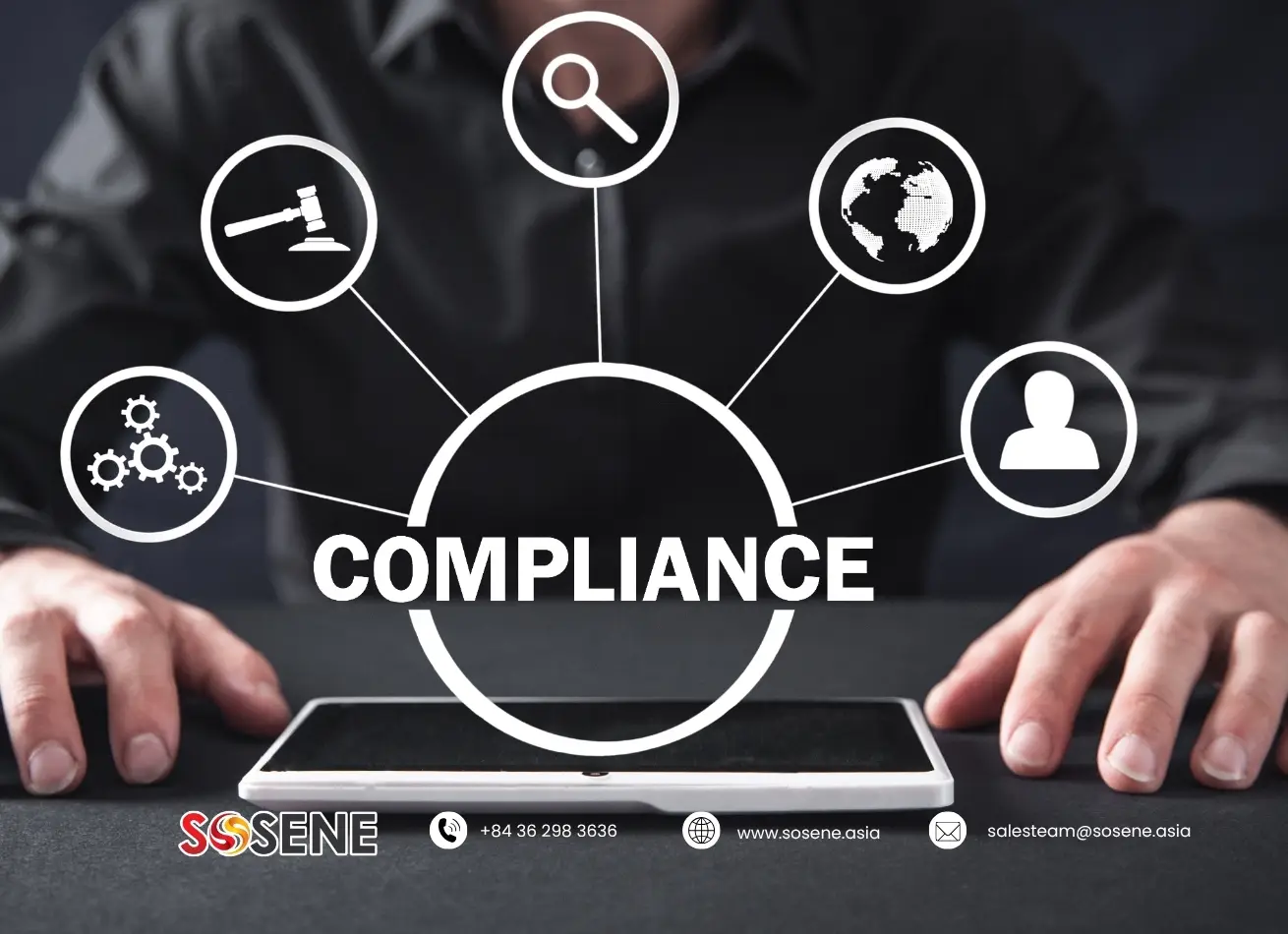
Asia’s regulatory landscape is complex and fragmented. Your IT partner must demonstrate fluency in both international and local compliance frameworks.
Security Standards
Ask about encryption, multi-factor authentication, EDR, patch management, and incident-response playbooks. A reliable managed IT services provider should run continuous monitoring and provide quarterly security reviews.
Compliance Expertise
Confirm understanding of:
- GDPR (cross-border data handling)
- ISO 27001 and SOC 2
- Local privacy laws like Singapore’s PDPA or Thailand’s PDPA
Backup & Disaster Recovery
Require documented RPO/RTO objectives, multi-region backups, and annual DR testing. A mature provider will show real recovery metrics not just policies.
Insight: Compliance is not optional in Asia; it’s a market-access requirement.
4. Analyze SLAs, Pricing Models, and Service Reliability
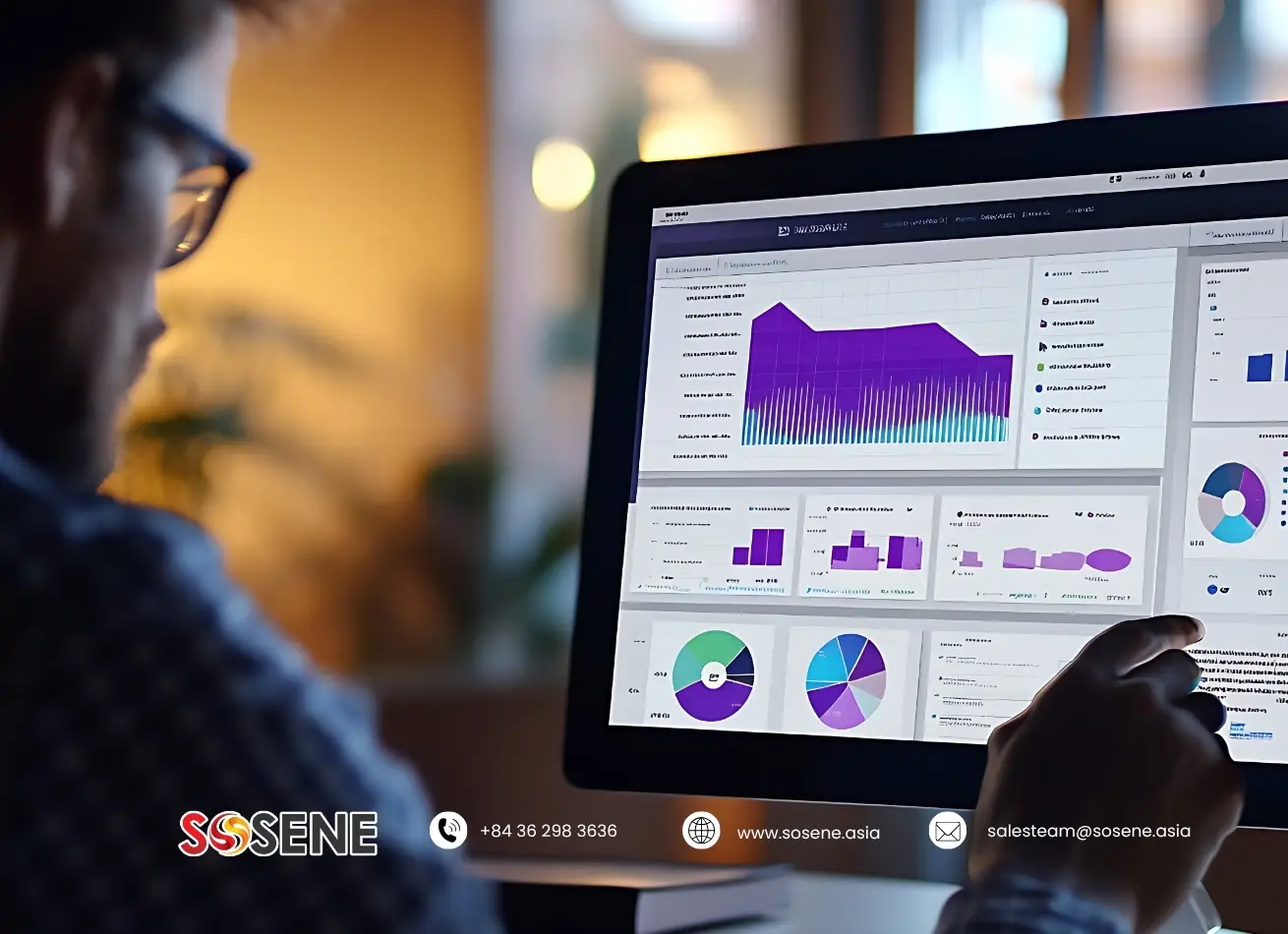
Scrutinize the SLA
Your managed IT services contract should include:
- Uptime guarantees (≥99.9%)
- Response and resolution times by severity
- Performance credits for missed metrics
- Escalation processes and quarterly review cadence
Demand Transparent Pricing
Clarify the cost of managed IT services flat-rate, per-user, or tier-based. Ensure there are no hidden add-ons for incidents, holidays, or priority escalations.
Measure Reliability
Ask for historical uptime data, customer satisfaction metrics, and reference testimonials. The best managed IT services providers publish their performance data openly.
5. Validate Reputation, References, and Long-Term Fit

Reputation and References
Request 2–3 client references in your industry and region.
Interview them about real-world responsiveness, communication, and recovery experiences.
Transparency and Trust
Look for partners that share quarterly improvement reports, not just incident logs.
Trustworthy providers treat transparency as part of the service, not a favor.
Cultural and Strategic Alignment
Asia’s diversity makes collaboration style crucial.
Choose a partner that aligns with your corporate culture, communication preferences, and governance rhythm.
Remember: The right managed IT services business behaves like an extension of your team—not a ticketing system.
6. Confirm Certifications, Vendor Partnerships, and Innovation Capability
Credentials validate credibility. Look for providers certified by or partnered with global technology leaders.
- Microsoft, AWS, Google Cloud partner status
- ISO 27001 / SOC 2 Type II certifications
- Membership in local IT associations (e.g., SGTech, NASSCOM)
- Proven track record with AI-driven monitoring or automation initiatives
Why it matters: Certifications ensure access to higher-tier support, faster escalations, and adherence to best practices.
7. Prioritize Scalability, Flexibility, and Continuous Improvement
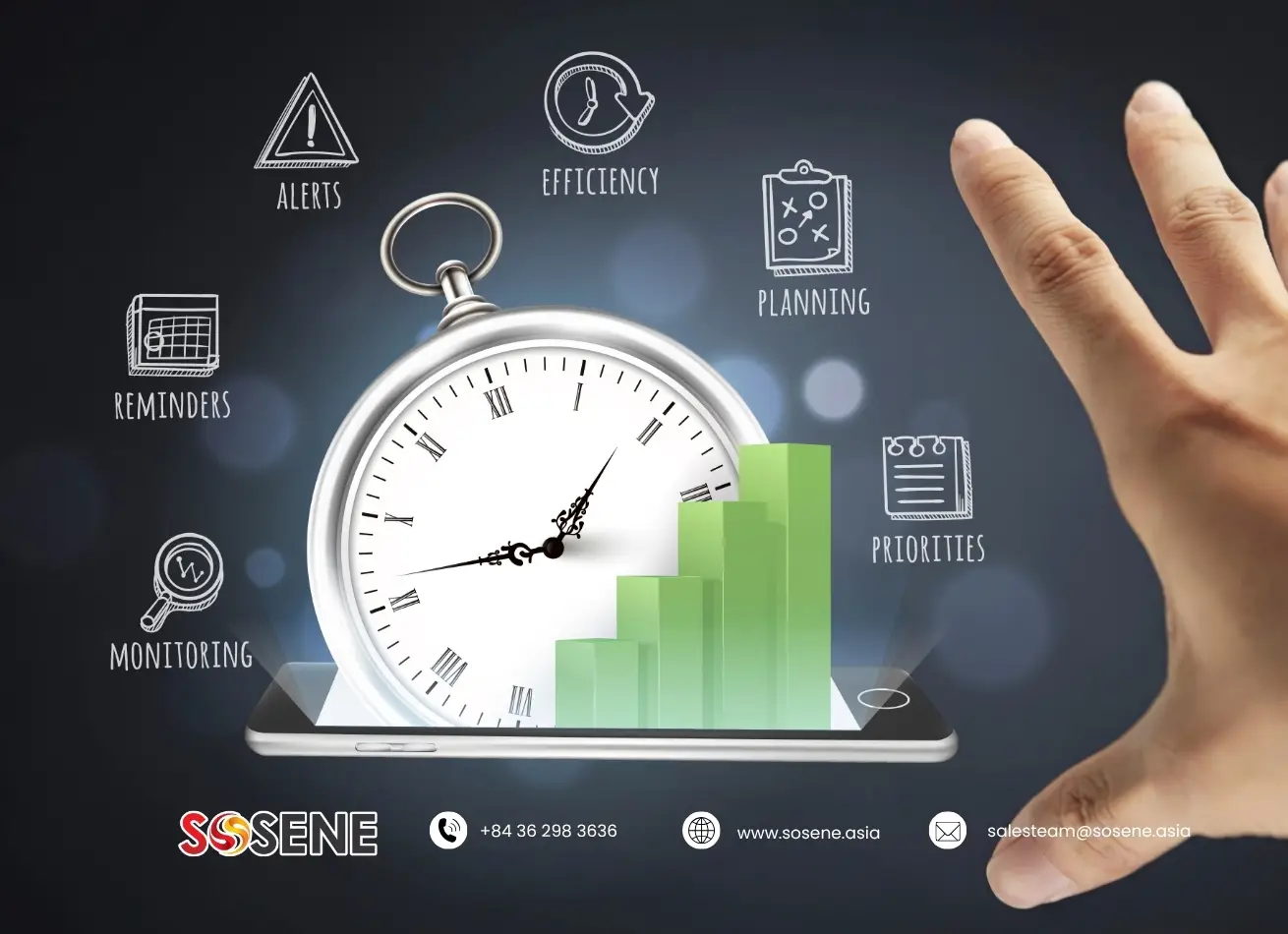
Growth in Asia can be unpredictable. The right managed IT services company should scale seamlessly as your business expands to new markets or integrates new technologies.
Ask potential partners:
- How quickly can you onboard new users or locations?
- Can services scale without renegotiating the contract?
- Do you provide quarterly technology reviews and optimization suggestions?
Insight: Flexibility is the ultimate indicator of a partner’s commitment to your long-term success.
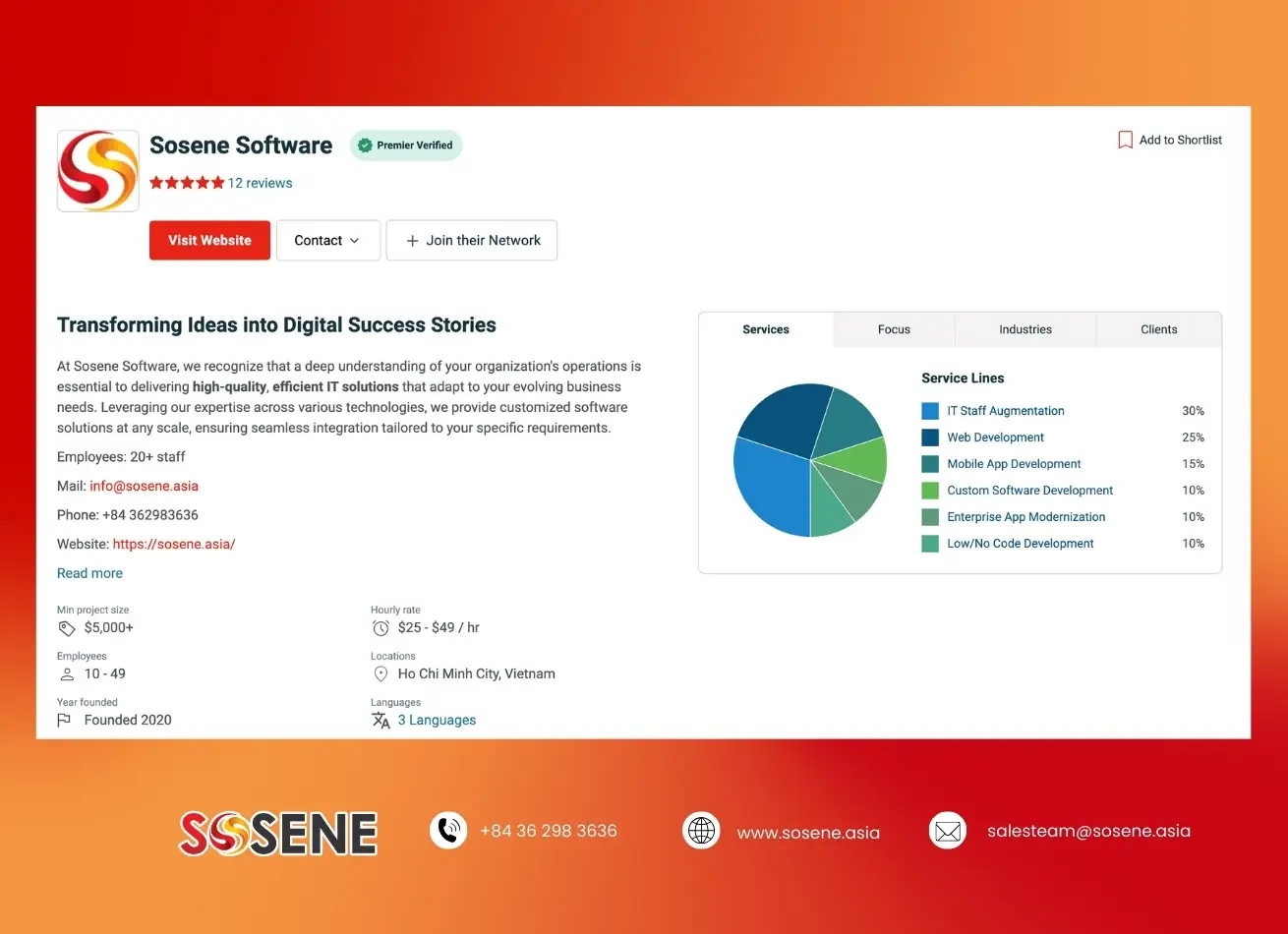
Partnering with Sosene: Regional Strength, Global Standards
As a trusted managed IT services provider across Asia, Sosene helps businesses scale securely and efficiently. We combine regional expertise, 24/7 monitoring, and transparent pricing to support high-growth enterprises in technology, finance, manufacturing, and professional services.
Why Leaders Choose Sosene
- Local presence across key Asian markets.
- Proven track record in regulated industries.
- Predictable, flat-rate pricing—no hidden costs.
- 24/7 proactive monitoring, even during holidays.
- Strategic advisory for technology optimization and expansion.
Partner with Sosene to build a scalable, secure, and future-ready IT foundation across Asia. Our experts will guide you from vendor evaluation to full-scale operational excellence.
Conclusion
Selecting the right managed IT services partner in Asia is not about finding the cheapest vendor, it’s about finding the most aligned one. The right partner will safeguard your infrastructure, streamline operations, and proactively prepare your business for future growth across diverse Asian markets.
At Sosene, we believe the hallmark of an effective managed IT partnership is mutual visibility and shared accountability. We don’t just maintain systems, we align technology with your vision for sustainable growth, compliance, and resilience.
FAQs
What does managed IT services mean for Asian businesses?
It’s a model where a third-party provider manages, monitors, and secures your IT systems under a structured contract—helping you reduce costs, improve uptime, and meet compliance requirements.
How do I compare managed IT services providers?
Evaluate by expertise, regional presence, compliance mastery, SLA quality, and client references—especially in your industry and location.
What should a managed IT services agreement include?
Clear SLAs, security obligations, data ownership clauses, and escalation processes with measurable KPIs.
How much do managed IT services cost?
The cost of managed IT services varies, but transparent, flat-rate models typically reduce IT expenses by 25–45% while improving predictability.
Where can I find highly rated managed IT services for outsourcing in Asia?
Start with certified firms or global cloud partners in Singapore, Vietnam, and India. Check verified references and Gartner/ Clutch.co recognized listings.